


Rotations
Echo
Rotations · Echo · Overview
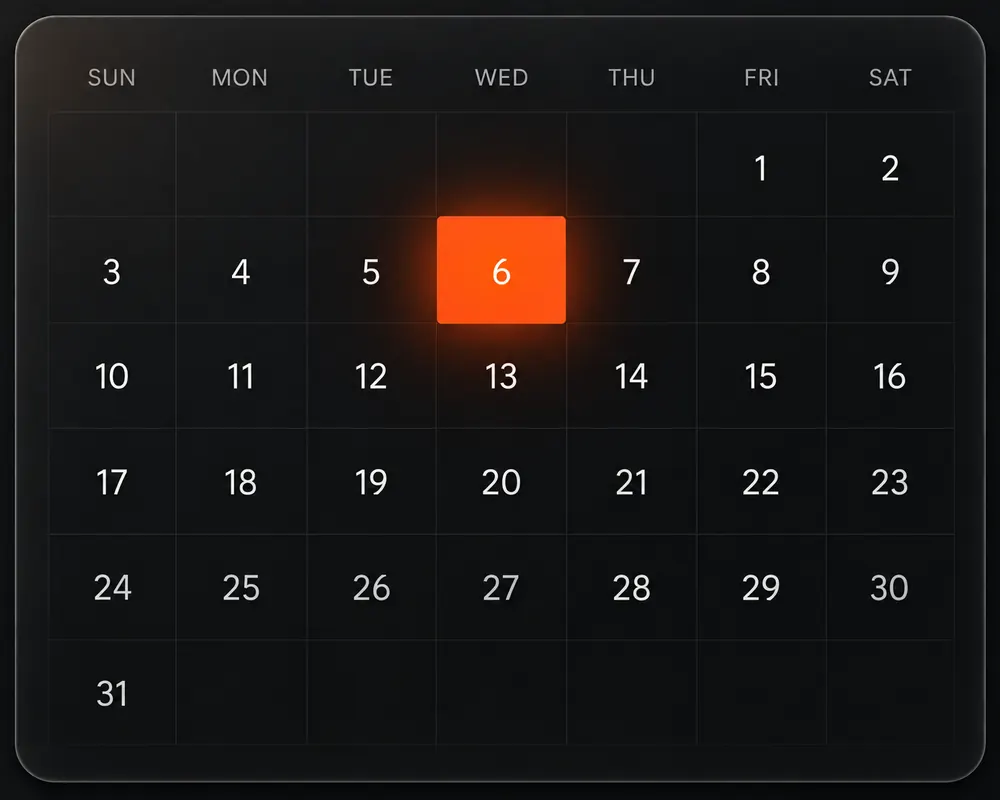
Reader of the day
Outpatient TTE Reader
Dr. Emmanuel Isang
Also reads from Halls
Inpatient TTE Reader
Dr. Jeffrey H. Johnson
Also reads from Sweetwater
TEE Attending
Dr. Jeffrey H. Johnson
Also reads from Sweetwater
* This reader also holds clinics away from the main campus, so they may be reading from a satellite today. The fellow stays at the main hospital either way.
Rotation Base
Main hospital echo lab
You are based here all block, even when the reader is at a satellite clinic.
Attire
Scrubs
Procedural attire as the day needs it for TEE, stress and contrast work.
Daily flow
Handoff to handoff.
- 1MorningPerform, or pre-read. Which one depends on your year — see the panel below.
- 2MiddayConference, and whatever the lab needs communicating.
- 3AfternoonRead with the attending. Discuss your reads, take the feedback, and keep going as studies arrive.
- 4OngoingCritical results, stress support, contrast help, and questions from the lab — across all three.
Your day, by training year
F1
- Morning
- Perform outpatient TTEs in clinic and learn image acquisition alongside the sonographers.
- Afternoon
- Read with the echo reader of the day — usually the outpatient reader, or the inpatient reader when the outpatient reader is at a satellite clinic.
F2
- Morning
- Pre-read studies and build interpretive skill.
- Afternoon
- Read out with the attending: discuss your reads, take the feedback, and keep pre-reading as studies arrive.
F3
- Morning
- Pre-read more independently, carrying more of the fellow-read responsibility.
- Afternoon
- Keep reading out with the reader of the day for feedback through the afternoon.
TEE on the Echo rotation
- F2 and F3 fellows are allowed and encouraged to do TEEs while on Echo, to gain additional TEE exposure and experience.
- The condition is that no fellow is on the dedicated TEE rotation that day or block.
- The TEE attending of the day is named at the top of this page.
Key responsibilities
- Be present in the echo lab area throughout the day.
- Contact or text the reading faculty to arrange side-by-side reading as needed.
- Answer calls and questions from sonographers, staff and referring providers where appropriate.
- Help with critical findings, patient complaints and study complications.
- Track TTE, TEE and stress echo volumes separately.
If the reader is off-site
- All fellows stay physically based at the main hospital for the whole rotation.
- When the outpatient reader is at a satellite clinic, carry on from the main hospital and read with them remotely.
- On those days the inpatient reader may be the one to read with instead — it depends on the day’s staffing and flow.
- the Directory carries each attending’s clinic locations, which is how to tell whether they are at the main campus or a satellite.
Escalate immediately
- Tamponade
- Severe new valvular disease
- A markedly abnormal stress echo
- Unexpected severe aortic stenosis
- A major thrombus or vegetation, where it is urgent
- A study stopped early, or a patient who became symptomatic
Still needed from the program
Listed rather than guessed. These are the facts this page cannot answer.
- The weekHow an Echo week actually runs: the report time, which days differ, whether there is weekend or evening coverage, and whether the rotation holds any call. §03 describes a day — morning, midday, afternoon — and nothing about the week, so no coverage chart is drawn and the Rotation Base card carries no hour.
- Echo lab contactThe echo lab’s own number, and how the reader of the day is reached to arrange side-by-side reading. §03 asks the fellow to "contact/text reading faculty" and §07 asks for a phone and action card; no source UTKardio holds publishes either.
- Echo Lab DirectorWho the Echo Lab Director is. §08 directs Level III discussion to them, no schedule carries a standing post, and there is no directory category for it — so the rail does not name one.
- Satellite readingWhether the program wants the asterisk to mean "holds satellite clinics" — which is what the directory can support — or whether somewhere records which clinic a reader is sitting in on a given day. The schedule answers it definitely on the rare day it places a reader at a satellite clinic service, and says "may" on every other.
Last updated 2026-09-21 · Program, Echo Work Guide specification, 2026-09-21
These guides are maintained by the fellowship. Sign in to suggest a workflow, propose an edit, or report something out of date.